MACS taking a stance against vaping
PROTECTED CONTENT
If you’re a current subscriber, log in below. If you would like to subscribe, please click the subscribe tab above.
Username and Password Help
Please enter your email and we will send you a password reset link.
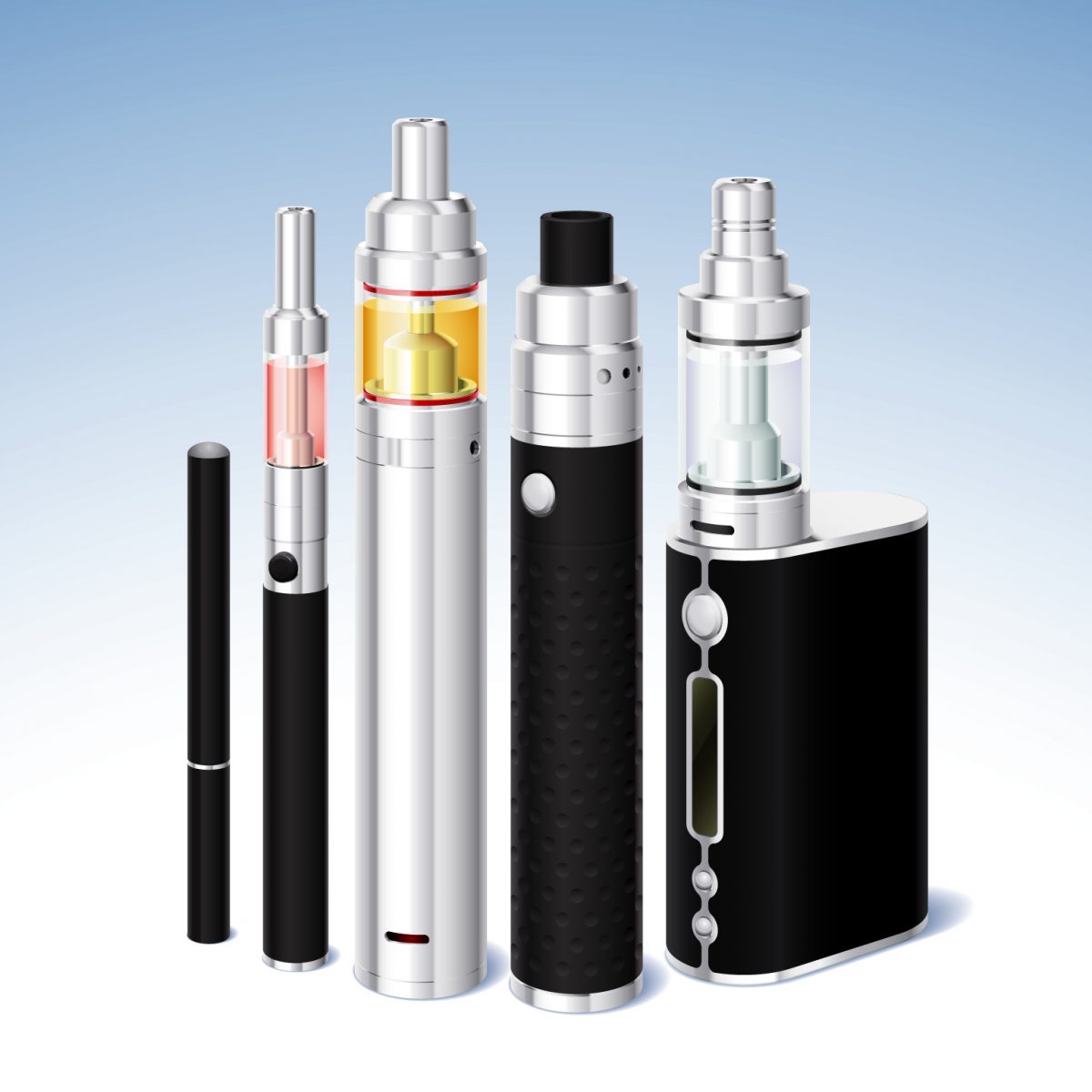 A recent board policy change now prohibits student possession, use, distribution, or dispensing of products containing nicotine, which includes vaping devices, in addition to tobacco, alcohol, and other controlled substances or “look alike” items.
Vaping is the process of inhaling and exhaling an aerosol or vapor from a liquid or dry material heated in an electronic powered device. The liquid can contain flavoring, nicotine, or marijuana concentrates. Devices are commonly called electronic cigarettes, e-cigarettes, or vapes.
Originally approved in October of 2008, and later revised in 2013, the board policy previously titled SMOKING – DRINKING – DRUGS applied to students under the age of 18. The policy has been updated and renamed Student Substance Use (Policy 502.07), and now aligns with changes made to Iowa law over three years ago.
The minimum age for a person to purchase, use, or sell tobacco, tobacco products, alternative nicotine products, vapor products, and cigarettes in Iowa was raised from 18 to 21 years old on June 29, 2020. Use, purchase or being in possession of tobacco/nicotine products for those under the age of twenty-one may be reported to the local law enforcement authorities.
This policy not only complies with the federal Drug-Free Schools Act, but is expanded to reflect Iowa law regarding tobacco and products containing nicotine.
Secondary Principal Josh Vanderflught has urged the board to consider additional measures to prevent vaping on school grounds, as it has become much more prevalent in schools. Since vaping devices are small in size, it is easy for students to hide them, and it can be difficult for school staff to find them. Vaping devices can resemble USB flash drives, pens, or other everyday objects that are often difficult for parents and teachers to differentiate from ordinary items.
He recommended the purchase of a metal detecting wand so that a staff member of the same sex as a student could conduct an initial scan. A wand can potentially be more helpful than vape detectors that go in the bathrooms, because school staff would be able to better detect the person(s) in possession if there are multiple people in the bathroom at the same time. It also gives them a better chance of actually finding vaping devices.
The board was supportive of moving ahead with getting a wand to help vaping prevention.
Vaping is not considered safe, as vaping devices often contain and release a number of potentially toxic substances including metals and volatile organic compounds. Some toxic substances have been linked to cell and DNA damage according to a 2018 study of the public health consequences of e-cigarettes by the National Academies of Sciences, Engineering, and Medicine.
Teens and young adults are especially vulnerable, since the adolescent brain is still developing, and inhaling any substance through these devices may be harmful.
Changes to the student/parent handbook are expected to be made for the 2024-2025 school year, following the board policy change.