Sheriff’s office recognizes Crime Victim Rights Week
PROTECTED CONTENT
If you’re a current subscriber, log in below. If you would like to subscribe, please click the subscribe tab above.
Username and Password Help
Please enter your email and we will send you a password reset link.
By Jeff Snyder
MOUNT AYR, Iowa — Ringgold County officially recognized Crime Victims Rights Week during a brief ceremony last Wednesday outside the courthouse.
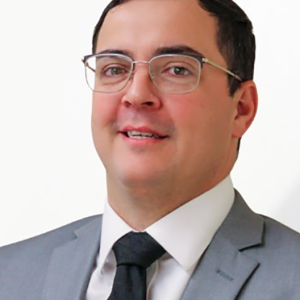
County Attorney Michael T. Wells delivered a proclamation on the grounds of the county courthouse that declared April 19 -25 as Crime Victims Rights Week. With his proclamation, the intent was to amplify the count’s commitment to ensure that crime victims’ rights and services are not only recognized annually, but provided daily, as well.
To commemorate this important week Ringgold County Sheriff Rob Haley along with a number of his deputies helped to hang blue ribbons around the square to bring attention to this cause.
The year 2026 represents the 45th year for National Crime Victims Right Week first proclaimed by President Ronald Reagan in 1981.
There are more than 12,000 system and community-based victim services programs across the nation that help survivors and promote community safety along with more than 32,000 laws the specifically define and protect victims rights.
To put action behind these proclamations, the Crisis Intervention Advocacy Center has made available a 24-hour crisis hot-line for sexual abuse (1-800-550-0004) and for domestic abuse (1-800-400-4884)
These lines are manned by Spanish speaking as well as English speaking operators. These advocates can field questions regarding transition housing, emergency housing, shelter, legal advocacy, medical advocacy, safety planning, crisis counseling, support groups prevention group as well as many other crisis related issues. These numbers are manned 24 hours a day, seven days a week and are toll free. Each of these outreach contacts also work with each specific community helping individuals to connect with local resources.
One of the core principles of the Crisis Intervention Center is helping the victims determine their own healing journey. Each victim is different and may require different levels of intervention.
Local involvement ensures that victim recovery is treated with the same compassion and dignity that the national members have advocated for more than 40 years.
Counseling services are obviously post trauma healing. The center also works with local authorities on education and prevention to help mitigate these issues before they reach crisis stage. Referrals are also welcomed via these same outreach numbers.